
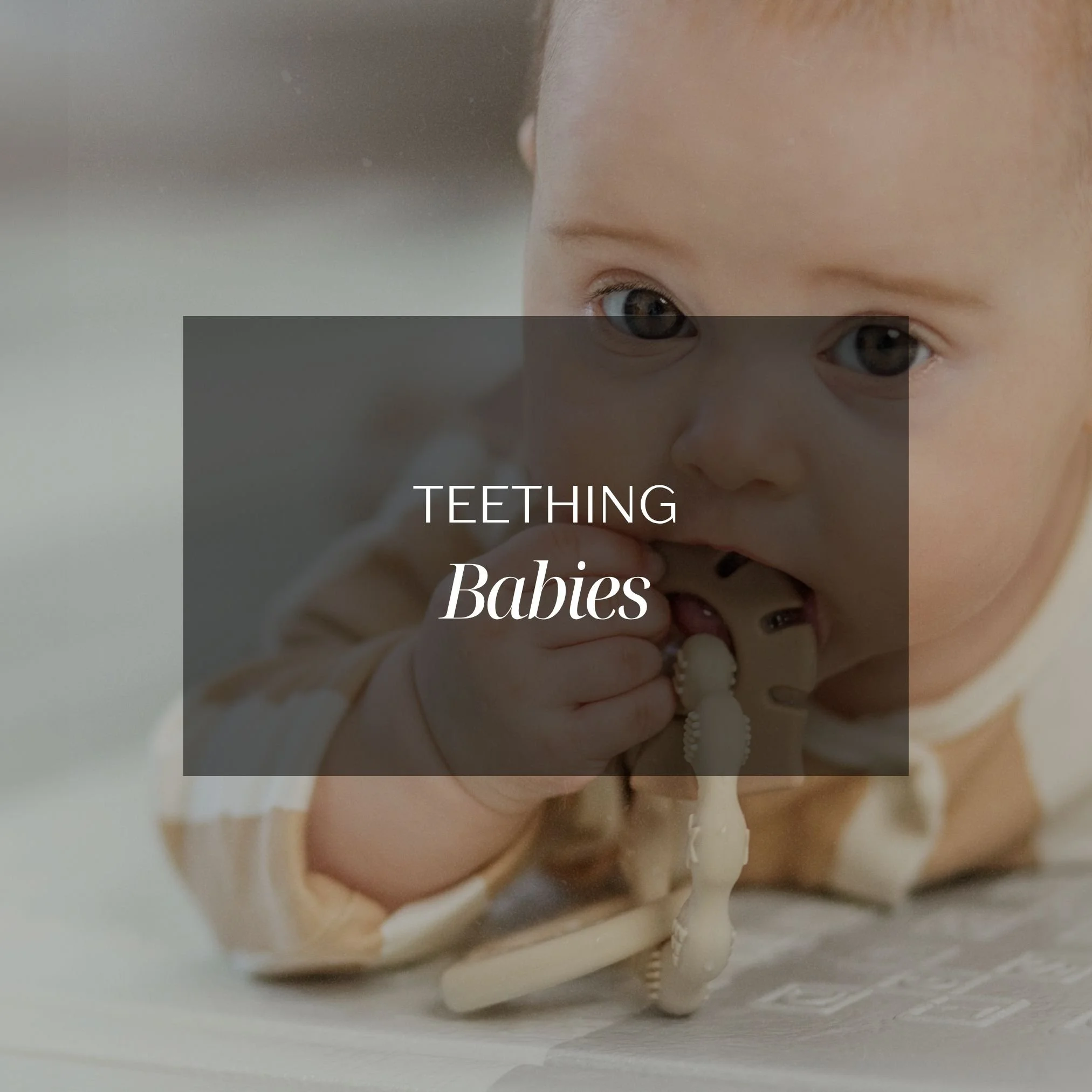
Teething is a normal part of infant development, although it can be an unsettled time for some babies and their families. Common changes associated with teething include drooling, a tendency to chew on objects, mildly swollen or tender gums, irritability and changes in sleep.
Every baby experiences teething differently. It is also important to recognise that symptoms such as fever, diarrhoea or significant illness should not automatically be attributed to teething.
Understanding the Homeopathic Approach
In traditional homeopathic practice, the baby's broader symptom picture is considered when exploring the homeopathic materia medica, rather than focusing on teething alone.
This may include:
Whether the baby appears irritable, clingy or unusually unsettled
Changes in sleep and settling patterns
Drooling and the tendency to chew or bite
The appearance of the gums and cheeks
Whether the baby seeks additional comfort or reassurance
Any other changes in feeding, behaviour or general wellbeing
Exploring Traditional Homeopathic Materia Medica
Homeopathic materia medica contains detailed descriptions of individual medicines, including their historical uses and characteristic symptom pictures. The following are some examples:
Chamomilla: Marked irritability and restlessness, with a desire to be carried constantly. There may be one red cheek.
Belladonna: Flushed cheeks, warmth, restlessness and heightened sensitivity.
Pulsatilla: Clinginess, tearfulness and a desire for extra comfort and reassurance. These children may feel better in the fresh air.
Calcarea phosphorica: Slower teething, unsettled behaviour and a frequent desire to chew.
Calcarea carbonica: A constitutional picture that may include slower teething and perspiration around the head during sleep.
These are examples of traditional materia medica descriptions, not a guide to selecting medicines for an infant or managing teething symptoms.
Why Individual Assessment Matters
People experiencing similar symptoms can have quite different experiences. Understanding the nature of the symptoms and the individual's broader health history is important when considering an appropriate approach.
A homeopathic consultation provides an opportunity to discuss these details and explore the traditional homeopathic approach to individual remedy selection.
Homeopathic Consultations
If you would like to learn more about homeopathy or discuss an individualised approach, consultations are available online Australia-wide.
Please note: The information provided in this article is for educational purposes only and should not be considered a substitute for advice, diagnosis or treatment provided by your doctor or other qualified healthcare practitioner.