
Homeopathy for Muscles, Tendons & Ligament Injuries
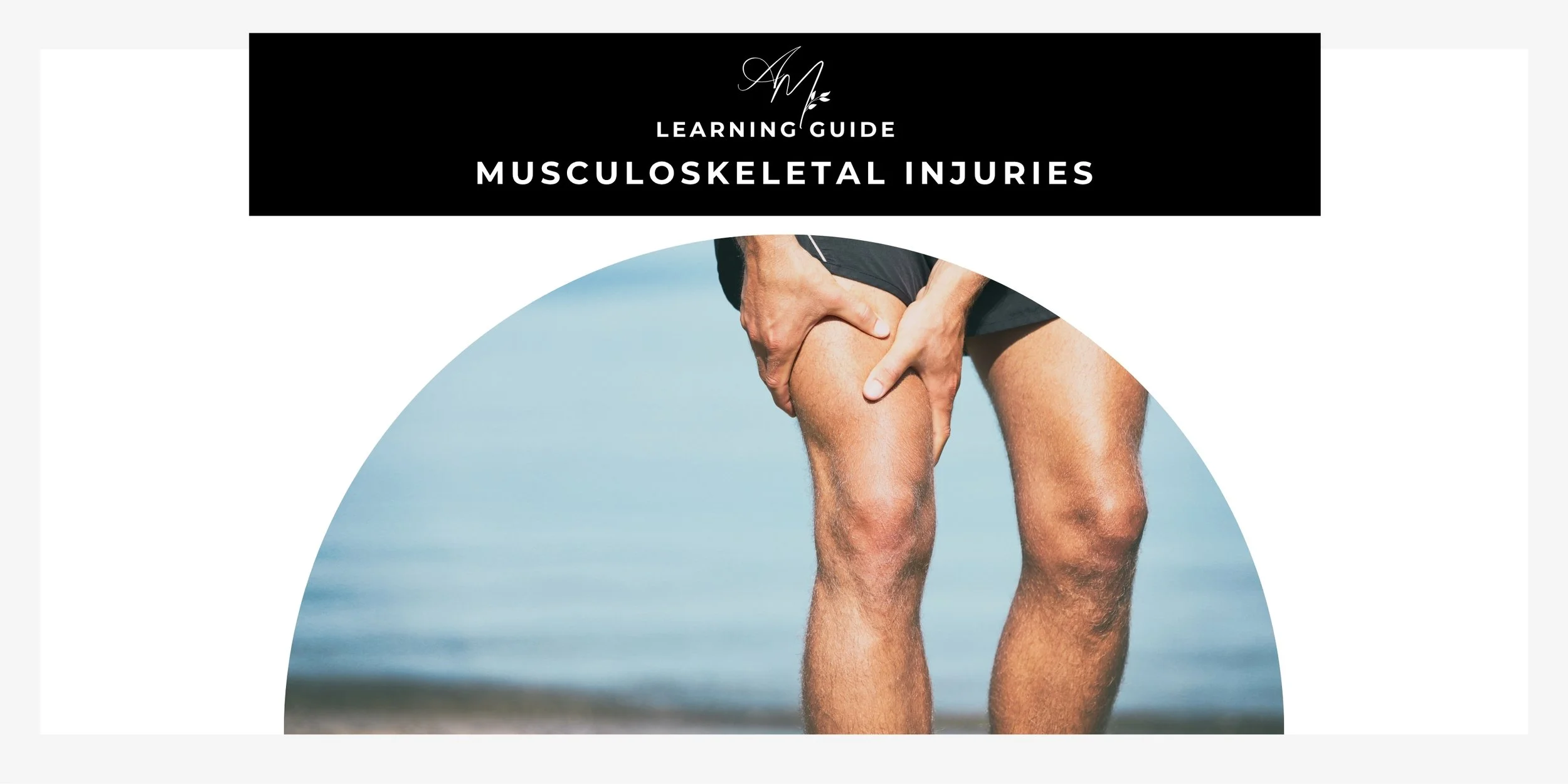
Musculoskeletal injuries are common, whether from sport, exercise or everyday activities. Within homeopathic practice, remedies are selected according to the individual's symptom presentation and the nature of the injury. This guide outlines some homeopathic medicines and their traditional indications and uses in homeopathic practice in relation to musculoskeletal injuries.
Arnica: Bumps, bruises, muscular strains and blunt trauma to muscles and soft tissue.
Ruta graveolens: Injuries involving joints, tendons, ligaments, cartilage, periosteum, sprains or dislocations.
Rhus tox: Joint or ligament discomfort that is worse on first movement but improves with continued movement. Symptoms are often worse in cold conditions and relieved by warmth or warm compresses.
Hypericum: Injuries involving nerve-rich areas such as the fingers, toes or coccyx. Symptoms may include sharp, shooting or tingling sensations.
Bryonia: Discomfort that is aggravated by movement and relieved by remaining still. Cold applications or pressure may also feel more comfortable. Commonly considered where joints, bursae or synovial tissues are involved.
Ledum: Bruising, puncture wounds and black eyes. The injured area may appear purple or feel cold, but may feel better for cold applications.
Symphytum: Bone trauma or fractures (once appropriate medical management has occurred), and injuries to the periosteum, cartilage or tendons.
Bellis: Bruising or trauma involving deeper soft tissues, particularly around the abdomen.
Alternatively, if you are looking for one homeopathic blend to keep in your first aid kit, Injury Blend contains Arnica, Ruta Graveolens and Rhus toxicodendron, three medicines traditionally used in homeopathic practice in relation to common musculoskeletal injury presentations.
When to Seek Further Advice
Always seek prompt medical assessment if there has been significant trauma, a suspected fracture, inability to bear weight, severe pain, significant swelling or deformity, or if symptoms are not improving as expected.
Please note: The information provided in this article is for educational purposes only and should not be considered a substitute for advice, diagnosis or treatment provided by your doctor or other qualified healthcare practitioner.