
Improving Vitamin D Levels Naturally
Why is vitamin D important?
Vitamin D is sometimes called the “sunshine vitamin” because our skin can produce it when exposed to sunlight. It is an essential nutrient that helps the body:
absorb and regulate calcium and phosphorus for healthy bones and teeth
support normal muscle function
maintain a healthy immune system
support overall health and wellbeing
How do we get vitamin D?
The main sources of vitamin D are sun exposure and vitamin D-rich foods.
Which foods are rich in vitamin D?
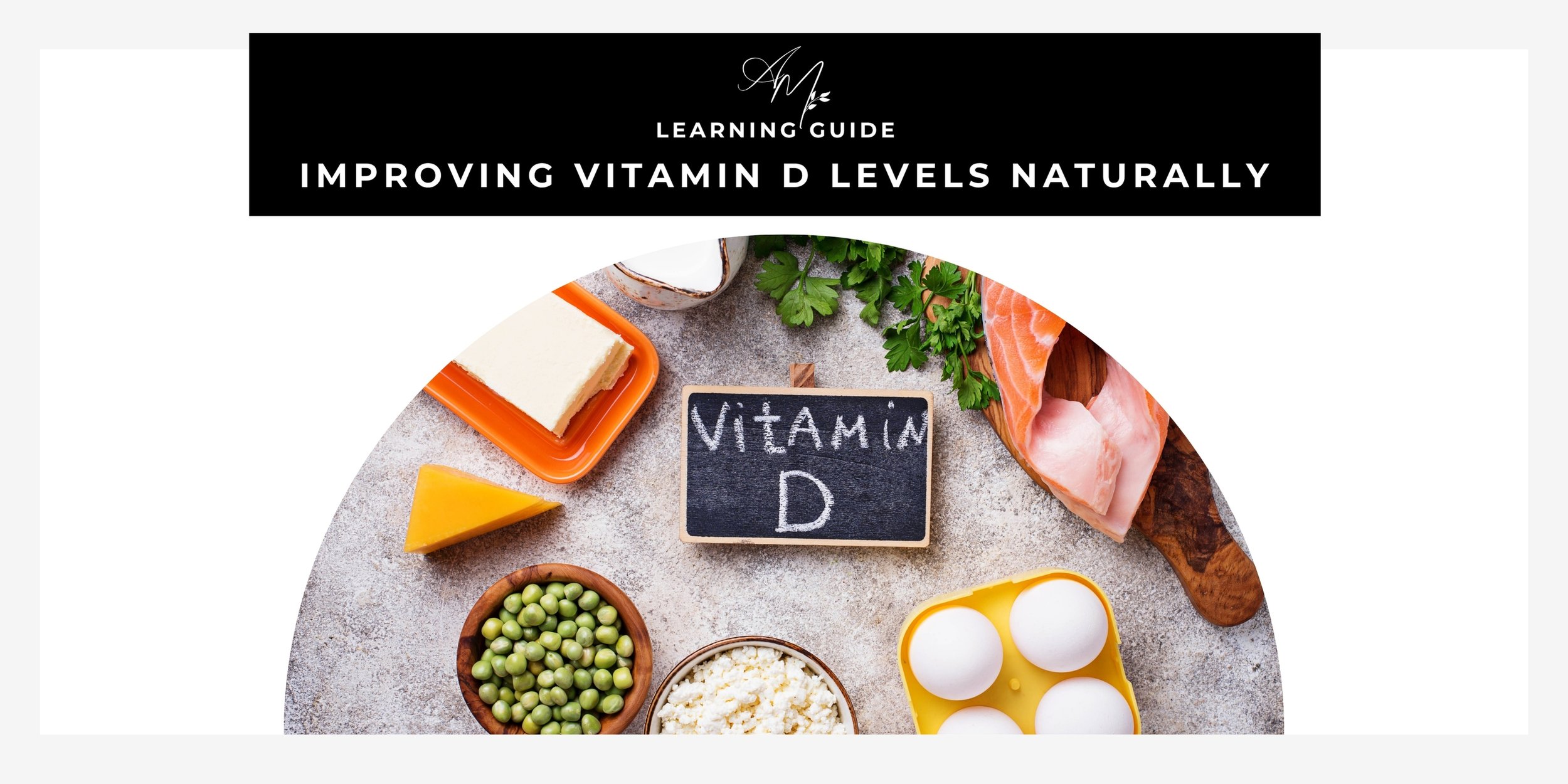
Food sources of vitamin D are limited, but including the following foods can help:
oily fish such as salmon, sardines and trout
egg yolks
liver
mushrooms exposed to UV light
fortified foods such as some milks and cereals
Also including healthy fats in the diet can help with the absorption of fat-soluble vitamin D. Examples of healthy fats may include:
avocado
olive oil
coconut oil
Who may be at risk of low vitamin D?
Some people are more at risk of having lower vitamin D levels, including those who:
spend little time outdoors or have limited sun exposure
regularly cover most of their skin
have darker skin pigmentation
have conditions that affect fat absorption, such as coeliac disease or inflammatory bowel disease
are elderly
have low dietary intake of vitamin D
have higher body fat levels as it can be associated with lower circulating vitamin D concentrations
are taking certain medications
have kidney or liver problems as Vitamin D undergoes conversion in the liver and kidneys.
Does wearing suscreen affect vitamin D levels?
The Sun-D Trial found that adults who applied SPF50+ sunscreen daily for one year had a higher risk of vitamin D deficiency compared with those using sunscreen less regularly. However, due to Australia’s high UV levels, particularly during summer months, a balanced approach to sun exposure is important. Regular time outdoors, while being mindful of UV levels and individual circumstances, “can help maintain healthy vitamin D levels.
Should I test vitamin D levels?
A blood test can measure vitamin D status, particularly if deficiency is suspected or there are risk factors. Your healthcare practitioner can advise whether testing is appropriate and interpret results.
Is too much vitamin D harmful?
While the body regulates vitamin D production from sunlight, excessive intake from vitamin D supplements can be harmful and may lead to toxicity. Always follow recommended dosing advice and your doctor’s guidelines, as excessive vitamin D intake can cause a dangerous buildup of calcium in your blood which may result in symptoms such as nausea, kidney stones, muscle weakness, confusion, and irregular heart rhythms.
Homeopathy and Vitamin D
While homeopathy may be used as part of an individual's overall holistic approach and considered alongside nutritional and lifestyle strategies, if you have been diagnosed with low vitamin D levels, it is still important to monitor this with your healthcare practitioner.
Simple ways to maintain healthy vitamin D levels
Spend regular time outdoors
Include foods containing vitamin D where possible
Include healthy fats with meals
Maintain a balanced whole-food diet
Consider testing if deficiency is suspected
References
Eating for Health. Nutrient Refernce Values: Vitamin D.
Effect of daily sunscreen application on vitamin D: findings from the open-label randomised controlled Sun-D Trial.
National Institute of Health: Vitamin D Fact Sheet for Professionals.