
Homeopathy for Worm-Related Symptoms
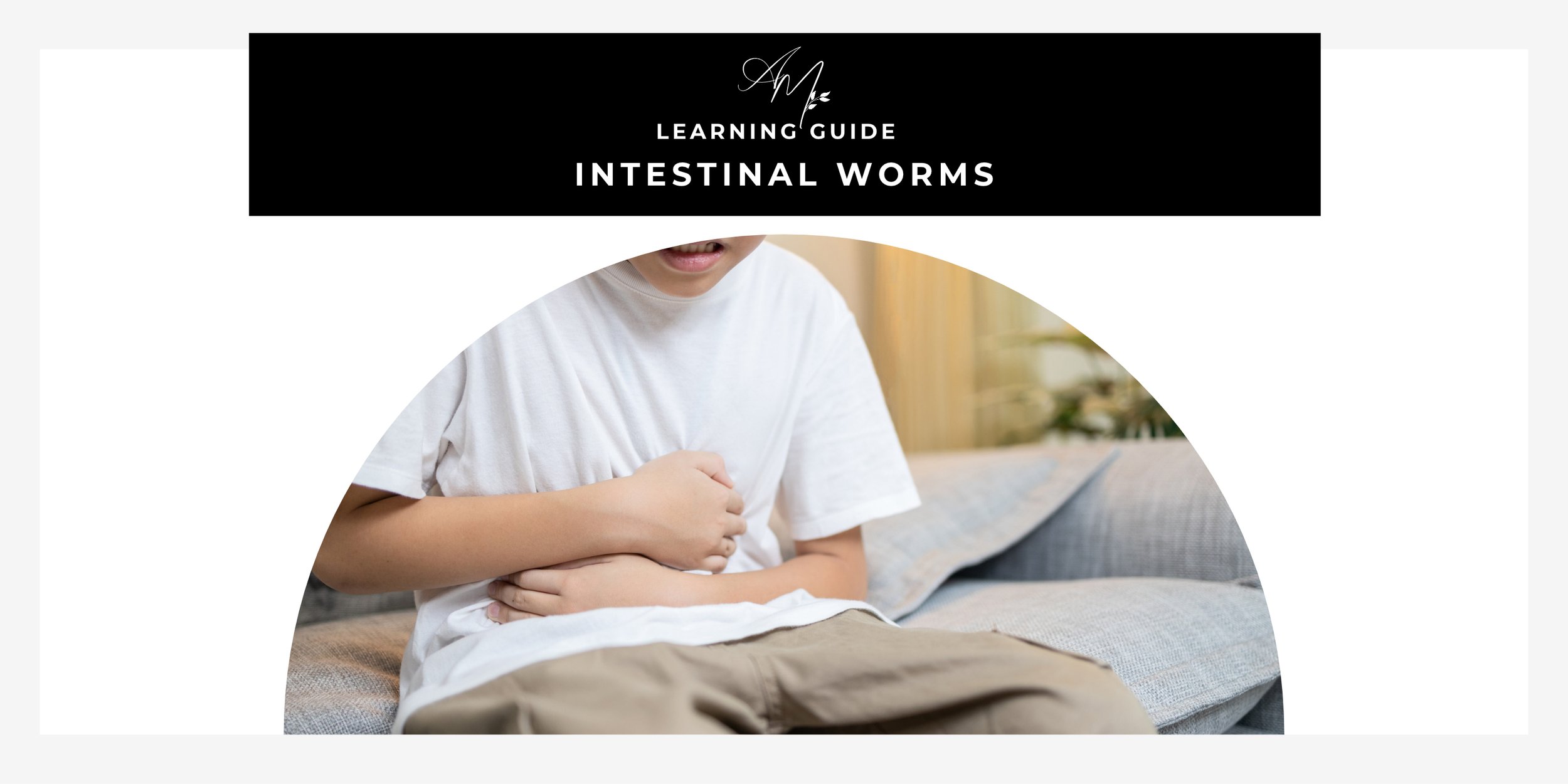
Intestinal worms are common in children, with threadworm (also known as pinworm) being one of the most common types. Symptoms can include itching around the bottom, particularly at night, disturbed sleep, irritability and restlessness, although some children may have few or no symptoms.
Within homeopathy, medicines are traditionally selected according to the individual's particular symptom picture rather than the presence of worms alone. This guide outlines some homeopathic medicines and their traditional indications and uses in homeopathic practice in relation to symptoms commonly associated with intestinal worms.
Cina: One of the leading medicines traditionally considered within homeopathic practice in relation to worm-related symptom presentations. There may be marked irritability, restlessness during sleep, teeth grinding or clenching, rubbing or picking at the nose, itching around the bottom and a bloated abdomen. There may be an increased or unusually strong appetite or an irritating cough.
Teucrium marum: Anal itching, which may be mild or intermittent, together with restlessness or disturbed sleep. The broader symptom picture may include reduced appetite, weight loss and a mapped or geographic-looking tongue.
Spigelia: Sharp or acute abdominal discomfort, particularly around the navel. The broader symptom picture may also include headaches and discomfort or pain in the calves.
Colocynthis: Abdominal pain or cramping, particularly where the person feels more comfortable bending forward or applying pressure to the abdomen.
Sabadilla: Itching or crawling sensations together with marked sensitivity or irritation of the nose.
Sulphur: Significant itching or irritation around the anus, particularly where warmth aggravates the symptoms.
These are just a few examples, and homeopathic medicines are traditionally selected according to the broader symptom picture rather than a single symptom alone. It is also important to remember that these symptom pictures should not be used to determine whether a child has intestinal worms, as many of these symptoms can occur for other reasons.
Reducing the Spread of Threadworm
Good hygiene is particularly important because threadworm eggs can spread between household members and contribute to reinfection.
Regular handwashing, particularly after using the toilet and before eating, keeping fingernails short and clean, discouraging nail biting, showering in the morning, and regularly washing sleepwear, underwear, towels and bedding can all form part of household hygiene measures when threadworm is present.
When to Seek Further Advice
Speak with your doctor or other healthcare professional if you suspect intestinal worms and are unsure about appropriate treatment. Medical assessment is particularly important if symptoms are persistent or recurrent, there is significant abdominal pain, vomiting, unexplained weight loss, blood in the stool, your child appears unwell, or you are concerned about the symptoms.
Please note: The information provided in this article is for educational purposes only and should not be considered a substitute for advice, diagnosis or treatment provided by your doctor, or other qualified healthcare practitioner.